
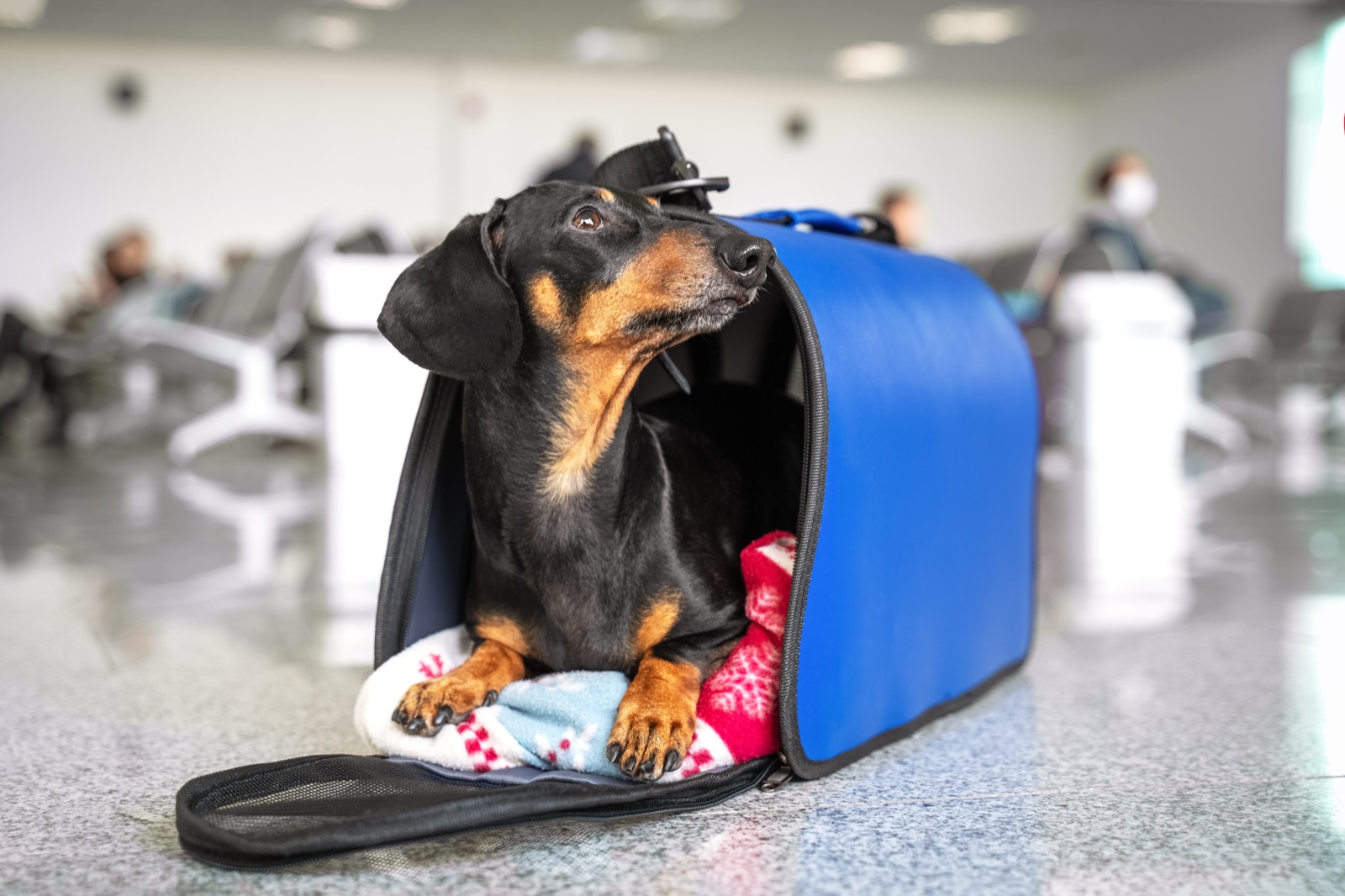
FOR PETS WITH PASSPORTS
Pet Travel
Relocation for the whole family. Whether your pet is coming home to Grand Cayman or moving overseas, we take care of every detail so you can enjoy the journey together.
WHAT WE DO
How we help
Import permits
We apply for your Cayman Islands Department of Agriculture (CIDOA) import permit.
Health certificates
We prepare the export health certificate paperwork (such as the USDA certificate) and send it to your vet before the appointment.
Vaccinations and tests
We track rabies, titre and core vaccination requirements and timelines.
Your travel portfolio
A personalised guide with your timeline, checklists and every document in clearly labelled PDF folders.
Airline coordination
We confirm your airline’s rules for in-cabin, excess baggage or manifest cargo travel.
Arrival support
Step-by-step guidance through Immigration, Customs and the Agriculture office, plus our optional VIP Meet & Greet.
Concierge support
We’re a phone call or message away at every stage.
STEP BY STEP
How it works
01
Tell us about your pet and your move.
02
We plan the permits, vet appointments and travel.
03
Travel day: check in at the airline counter (online check-in isn’t available when flying with a pet). Have copies of your documents ready, but keep the original health certificate for arrival.
04
Arrival in Grand Cayman: the Agriculture Officer checks your documents and scans your pet’s microchip, you sign, and you’re home.

PAPERWORK
Documents needed to enter the Cayman Islands
- CIDOA Import Permit
- Original export health certificate (the Agriculture Office keeps it)
- Rabies certificate
- Rabies titre test result
- Core vaccination certificate
- Microchip certificate
- Cayman Islands Customs Declaration form
Requirements change, so we confirm the current rules for your pet before you travel.
FLYING OPTIONS
Ways your pet can fly
In cabin
Small pets travel in an airline-approved carrier under the seat in front of you. Airlines check the carrier size at check-in.
Excess baggage
Your pet travels in the hold on the same flight as you, in an IATA-approved crate, checked in at the airline counter.
Manifest cargo
Your pet is booked as air freight through the airline’s cargo department, usually for larger crates, pets travelling without their owner, or routes where the airline won’t carry pets as baggage. Pets are dropped off and collected at the cargo terminal.
Not sure which applies? We’ll check your airline’s rules for you.
CRATE SIZING
How to measure your pet for a travel crate
Measure your pet standing up, in centimetres:
- A: tip of the nose to the base of the tail (don’t include the tail)
- B: ground to the elbow joint
- C: width across the shoulders or the hips, whichever is wider
- D: ground to the top of the head or the ear tips, whichever is higher (cats may find it easier to sit with their head up)
Crate size
- Length = A + half of B
- Width = C × 2
- Height = D plus a few inches, so the ears don’t touch the roof
Your dog must be able to stand, turn around and lie down naturally. Send us the measurements and a photo and we’ll recommend the right crate.
ON THE DAY
Travel day tips
- Offer a light meal 4–6 hours before departure, only if it’s part of your pet’s normal routine.
- Give water and a bathroom break before leaving for the airport.
- Line the carrier with a familiar blanket, a pee pad and a favourite toy.
- Offer ice to lick during the flight.
- Keep the carrier closed during the flight.
- Never travel with CBD products, even prescribed ones.
- Keep your pet’s harness on and the carrier secure until you’re home.

Get a travel quote
Email mustlovedogsky@gmail.com or call us on +1 345 746 7222.